
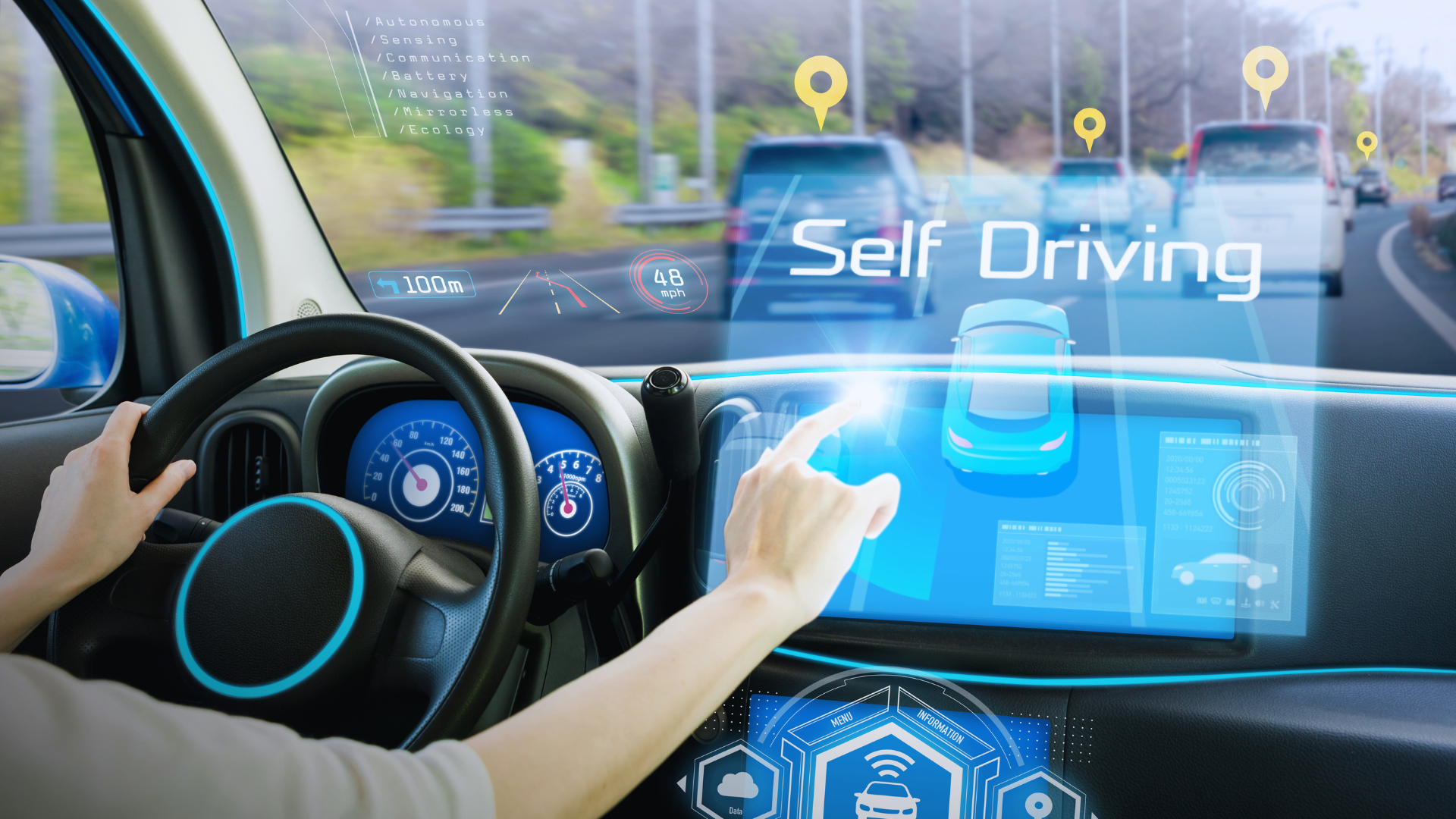
You’re watching deliveries, warehouses, and fleets shift beneath the influence of autonomous systems, and that shift will change how your business plans costs, schedules, and risk. Self-driving technology is already cutting transit times, reducing labor costs, and improving consistency—tangible impacts you can measure and act on.
As the article explores sensor-driven routing, autonomous warehouses, and driver-assist integrations, you’ll see practical pathways to adopt or respond to these changes. Expect clear examples of operational wins, implementation challenges, and the decisions that matter for companies of different sizes.
How Self-Driving Technology Is Transforming Business Logistics
Self-driving systems shift logistics from labor-centric operations to technology-driven networks that optimize routes, reduce idle time, and lower fuel use. Companies now deploy autonomous vehicles, drones, and AI routing to cut costs, improve delivery predictability, and tackle driver shortages.
Autonomous Vehicles in Supply Chain Operations
Autonomous vehicles integrate into yards, ports, and distribution centers to move trailers, containers, and pallets with consistent speed and precision. Automated yard trucks and terminal tractors reduce dwell time at ports by performing repetitive repositioning tasks and interfacing with terminal operating systems via APIs.
These vehicles connect to warehouse management systems and TMS (transportation management systems) to trigger pick-and-pack workflows when containers arrive. They also support data capture—timestamping arrivals, scan logs, and sensor diagnostics—which improves inventory accuracy and supports predictive maintenance across the supply chain.
Self-Driving Trucks: Revolutionizing Freight and Long-Haul Transportation
Self-driving trucks extend driving hours beyond human limits while maintaining safety protocols, which increases asset utilization for long-haul freight lanes. Autonomous trucking pilots use SAE Level 4 systems on defined corridors with redundancy in sensors (LiDAR, radar, cameras) and high-precision GPS for lane-accurate navigation.
Carriers report reduced empty-miles and better route consistency through platooning and coordinated convoying, which lowers fuel consumption per ton-mile. Fleet managers integrate autonomous trucks into mixed fleets via fleet management platforms that handle dispatching, load matching, telematics, and over-the-air software updates.
Autonomous Delivery Vehicles and Drones in Last-Mile Logistics
Autonomous delivery vehicles and drones shorten last-mile transit times for parcels, groceries, and medical supplies in both urban and suburban settings. Small autonomous vans and sidewalk robots handle multi-stop routes using geofenced corridors and curbside microhubs, while drones provide point-to-point deliveries where ground access is slow or constrained.
Operators deploy secure delivery lockers, remote human oversight for exceptions, and automated customer notifications to maintain chain-of-custody and reduce failed deliveries. Companies optimize battery swapping, charge scheduling, and payload constraints to keep vehicles and drones available during peak windows.
Impact on Fleet Management, Operational Efficiency, and Logistics Costs
Autonomous fleets change cost structures by shifting spend from driver wages to capital investment, software, and sensors. Fleet managers measure improvements via KPIs such as vehicle utilization rate, dwell reduction, on-time percentage, and total cost per mile to quantify ROI.
Predictive maintenance based on sensor telemetry and machine-learning models reduces unscheduled downtime and extends component life. Centralized fleet management platforms integrate routing, fuel analytics, and compliance reporting to trim operational overhead and negotiate better fuel and insurance terms.
Addressing Driver Shortages and Labor Challenges
Autonomous logistics mitigates driver shortages by automating repetitive and long-haul segments while preserving driver roles in complex urban pickups and customer service. Companies retrain drivers into higher-skill positions—remote supervisors, safety monitors, and maintenance specialists—reducing turnover in frontline roles.
Labor negotiations shift as carriers balance headcount reductions with new job categories and regulatory requirements for human oversight. Transition plans commonly include staged deployment, safety demonstration projects, and community engagement to align workforce development with autonomous adoption.
Advances in Artificial Intelligence, Sensors, and Routing Algorithms
Advances in AI and machine learning enable perception, decision-making, and adaptive routing that respond to real-time traffic, weather, and demand signals. Sensor fusion—combining LiDAR, radar, cameras, ultrasonic sensors, and high-precision GPS—creates redundant perception layers to handle occlusions and adverse conditions.
Routing algorithms incorporate live traffic feeds, delivery time windows, vehicle energy profiles, and regulations (curfew zones, drone no-fly zones) to optimize sequences and reduce empty legs. Continuous learning pipelines use fleet telematics to refine models, improve obstacle handling, and lower false-positive safety interventions.
Environmental and Sustainability Benefits of Autonomous Logistics
Autonomous logistics improves fuel efficiency through steady-speed driving, platooning, and optimized routing, reducing CO2 emissions per shipment. Electric autonomous delivery vehicles and drones further cut tailpipe emissions and noise in dense urban corridors.
Companies quantify environmental benefits via lifecycle assessments that include reduced idling, fewer empty miles, and extended asset life through predictive maintenance. Green logistics strategies pair autonomous fleets with renewable energy for charging hubs to maximize emissions reductions across operations.
Regulatory, Safety, and Infrastructure Challenges
Regulators must adapt safety standards, liability frameworks, and licensing to cover autonomous vehicle operations across jurisdictions. Policymakers face decisions on mixed-traffic rules, data-sharing requirements, and certification processes for sensors and software updates.
Infrastructure upgrades—dedicated lanes, V2X communication, standardized signage, and urban delivery microhubs—accelerate safe scaling. Stakeholders balance public-safety testing, cybersecurity standards, and interoperability between vendor platforms to reduce fragmentation and support nationwide deployment.