
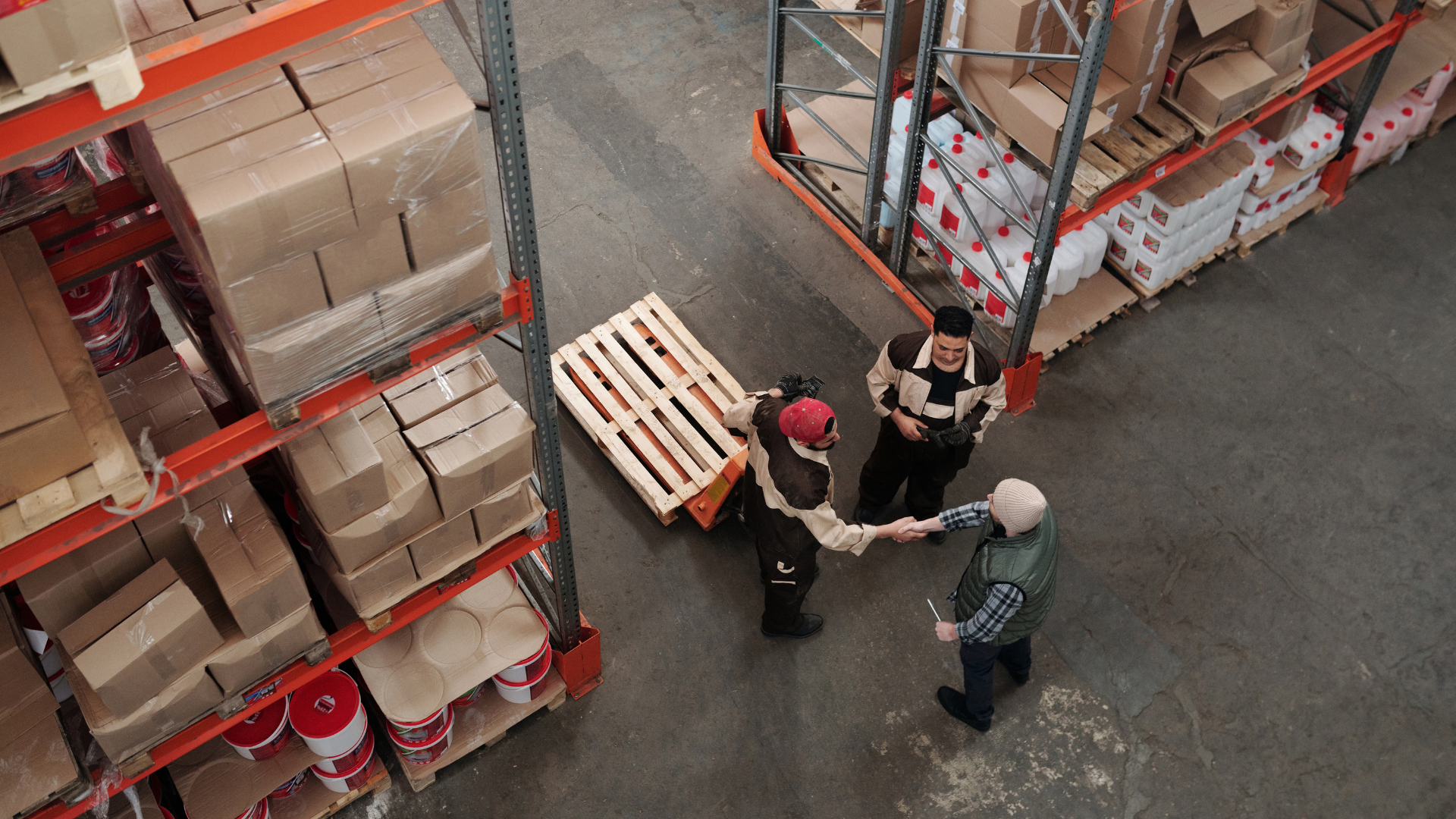
Warehouse efficiency is a key factor in ensuring smooth business operations. The right storage solutions can make or break how well your space functions. One solution that often gets overlooked is pallet racking. So, what makes pallet racking an essential part of a warehouse? More importantly, how can it boost your overall efficiency?
What Is Pallet Racking?
If you’ve ever walked through a warehouse or a large retail store, you’ve seen pallet racking Melbourne in action. It’s a storage system designed to hold pallets (also called skids) of goods. These racks make it easy to store items vertically, saving floor space and improving the organisation of your warehouse.
Pallet racking systems come in a variety of designs to meet different needs. Whether you’re dealing with bulky items, small boxes, or fragile goods, there’s likely a racking system that can help you store them more efficiently.
The Benefits of Pallet Racking for Efficiency
It might sound simple—install some racks and stack your products—but pallet racking does much more for your warehouse than just adding shelves. Here’s how it can maximise efficiency:
- Optimises Space Utilisation – Vertical storage takes full advantage of your warehouse’s height, freeing up valuable floor space. This is especially important if you’re working with a limited footprint.
- Improves Inventory Management – With designated spaces for each item, you’ll know exactly where to find what you need. This means less time wasted searching for products.
- Enhances Accessibility – A well-planned pallet racking system ensures easy access to all stored items. Forklifts and workers can move around freely, speeding up picking and packing processes.
- Increases Safety – Pallet racking systems help keep products off the ground, reducing the risk of accidents. Properly installed racks are also stable and sturdy, further improving safety.
- Boosts Productivity – When products are well-organised and easy to access, employees can work more efficiently, which ultimately leads to faster order fulfilment.
Types of Pallet Racking Systems
There’s no one-size-fits-all solution when it comes to pallet racking. The type you choose will depend on factors like the size of your warehouse, the type of products you’re storing, and your operational needs. Here are some of the most common types:
- Selective Pallet Racking: This is the most widely used type and allows for easy access to every pallet in the system. It’s perfect for warehouses that need to store a variety of different products that are accessed regularly.
- Drive-In/Drive-Through Racking: Ideal for high-density storage, these systems allow forklifts to drive directly into the racking structure. It’s particularly useful for storing large quantities of the same product.
- Push-Back Racking: With a push-back system, pallets are stored on a series of rails that allow you to load products from the front. Each time a pallet is removed, the one behind it automatically moves forward. This is great for warehouses that need to optimise space and minimise aisle use.
- Cantilever Racking: Perfect for long or bulky items, cantilever racking uses arms that extend from vertical columns, making it easy to store items like lumber or pipes.
- Pallet Flow Racking: This system uses gravity to move pallets along inclined rails, automatically feeding items to the picking face. It’s ideal for high turnover items and maximising picking efficiency.
How to Choose the Right Pallet Racking for Your Warehouse
Choosing the right pallet racking system isn’t just about what looks good or fits in your space. There are several factors to consider to make sure you’re getting the most out of your investment. Think about the following:
Storage Needs
What type of products are you storing? Are they heavy, fragile, or oddly shaped? Different types of pallet racking are designed to handle specific loads. Additionally, for larger or bulkier items, Jumbo Roll Containers or nestable roll containers provide extra capacity and mobility.
These containers could be used in conjunction with pallet racking systems to efficiently manage oversized goods. Ultimately, by integrating these solutions thoughtfully, you can optimize your warehouse’s storage space and enhance operational efficiency.
Warehouse Layout
How much floor space do you have available? Are there any obstructions like columns or low ceilings? Consider how you can maximise your space with a racking system that fits your layout. The best pallet racking solutions will be ones that you can alter or optimize for your floorplan.
Access Frequency
Do you need to access all your products frequently, or are some items stored long-term? Selective pallet racking is great for regular access, while drive-in systems are better for bulk storage.
Budget
While pallet racking is a cost-effective storage solution, some systems are more expensive than others. Be sure to weigh the initial investment against the long-term efficiency benefits. It’s also worth considering supplementary options that enhance storage value, services offering nestable plastic pallets for sale can help reduce clutter and improve stacking efficiency, especially in facilities where space and handling flexibility are priorities.
The Role of Technology in Pallet Racking Solutions
In recent years, technology has started to play a more significant role in warehouse management, and pallet racking systems are no exception. Smart racking solutions can integrate with warehouse management systems (WMS) to provide real-time data on inventory levels, item locations, and even potential bottlenecks.
Automated storage and retrieval systems (ASRS) are another technological advancement. These systems use robots or automated equipment to retrieve items from racking, further increasing efficiency and reducing the need for manual labour.
More traditional kinds of technology that see common usage in warehouse operations like this include vehicles like forklifts, which are crucial for operations that deal with heavy loads of any kind. Maximising the uptime of such machines is crucial to ensure they are available at a moments notice, this helps to prevent a backlog of items being on the warehouse floor, which can reduce efficiency and be a safety risk. In order to make sure this is the case, it’s a good idea to work closely with a provider of Yale forklift parts (or other forklift brands) in order to have spare parts ready to swap out when a forklift begins to have problems with the current setup.
Maximising Efficiency with Professional Installation
Once you’ve chosen the right pallet racking system, the next step is installation. It might be tempting to take a DIY approach, but having your racking professionally installed ensures it’s done correctly, safely, and in a way that maximises your warehouse’s space and operational flow.
Proper installation can also help avoid future issues like instability or misalignment, which could affect both the safety and efficiency of your operations.
Final Thoughts
Pallet racking is more than just a way to store goods—it’s a strategic tool that can significantly improve your warehouse’s efficiency. From optimising space to improving inventory management and enhancing safety, the right pallet racking system can make a world of difference in how smoothly your operations run.